Films have to make choices. They compress, simplify, and visualise — and in doing so they inevitably lose something. The internal monologue. The digression. The narrator's voice that holds everything together. Sometimes those losses don't matter. But sometimes they matter enormously.
The ten audiobooks below are stories where the listening experience genuinely surpasses the film adaptation — not because the films are bad, but because the books have something the screen can't replicate. In most cases, a narrator's performance is the difference. These are some of the finest performances in audiobook history.
All ten are available on Audible. If you haven't started your current Audible offer yet, you can get your first one completely free.
01
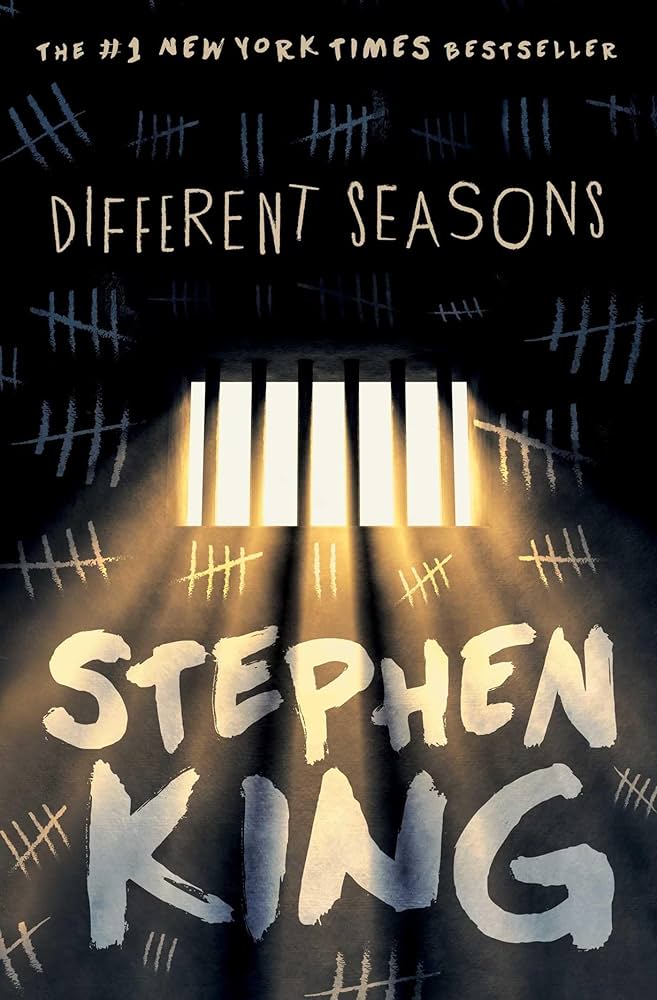
#01 — vs The Shawshank Redemption (1994)
The Shawshank Redemption
Stephen King (as Rita Hayworth and Shawshank Redemption)
"The film is a masterpiece. The novella goes deeper."
Listener Rating
Curator score: 9.6/10
The 1994 film is widely considered one of the greatest movies ever made — and yet the original Stephen King novella has something the film can't replicate: Red's internal voice. Frank Muller's narration gives Red a weariness and wisdom that feels lived-in and real. The story is the same, but the emotional texture is richer in audio form.
Why the Audiobook Wins
Frank Muller was one of the greatest audiobook narrators who ever lived, and this is one of his finest performances. Red's voice on the page is intimate in a way that Morgan Freeman's performance — brilliant as it is — can't quite match. You hear the weight of years in every sentence.
02
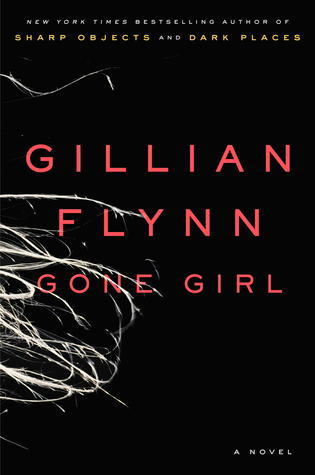
#02 — vs Gone Girl (2014)
Gone Girl
Gillian Flynn
"The film is great. The audiobook is terrifying."
Narrator
Julia Whelan & Kirby Heyborne
Listener Rating
Curator score: 9.4/10
David Fincher's film is a slick, stylish thriller — but it necessarily cuts large sections of Amy's diary entries and inner monologue. In the audiobook, you spend far more time inside Amy's head, which makes the eventual twist land with a completely different kind of horror. You don't just see what she did — you understand exactly how she thinks.
Why the Audiobook Wins
Julia Whelan's performance as Amy is one of the most chilling things in audiobook history. The dual-narrator format — Whelan as Amy, Kirby Heyborne as Nick — means you experience both perspectives in full. The film shows you the surface. The audiobook shows you the machinery underneath.
03
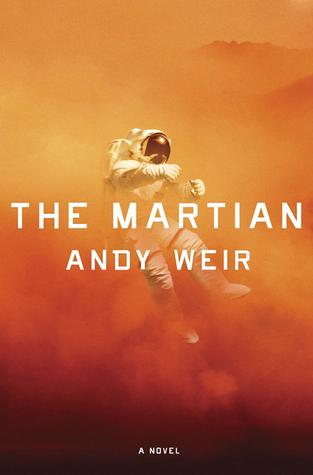
#03 — vs The Martian (2015)
The Martian
Andy Weir
"Matt Damon was funny. R.C. Bray is funnier."
Listener Rating
Curator score: 9.3/10
The Ridley Scott film is entertaining and visually spectacular, but it necessarily streamlines Mark Watney's problem-solving and cuts a lot of his best jokes. The audiobook gives you every calculation, every failed experiment, and every sarcastic log entry in full. Watney's voice is the entire book — and R.C. Bray nails it.
Why the Audiobook Wins
R.C. Bray's performance as Watney is pitch-perfect — dry, quick, genuinely funny, and occasionally moving. The audiobook is funnier than the film because you get all the jokes the screenplay had to cut for pacing. It's also more tense, because you understand exactly how close to death Watney is at every stage.
04
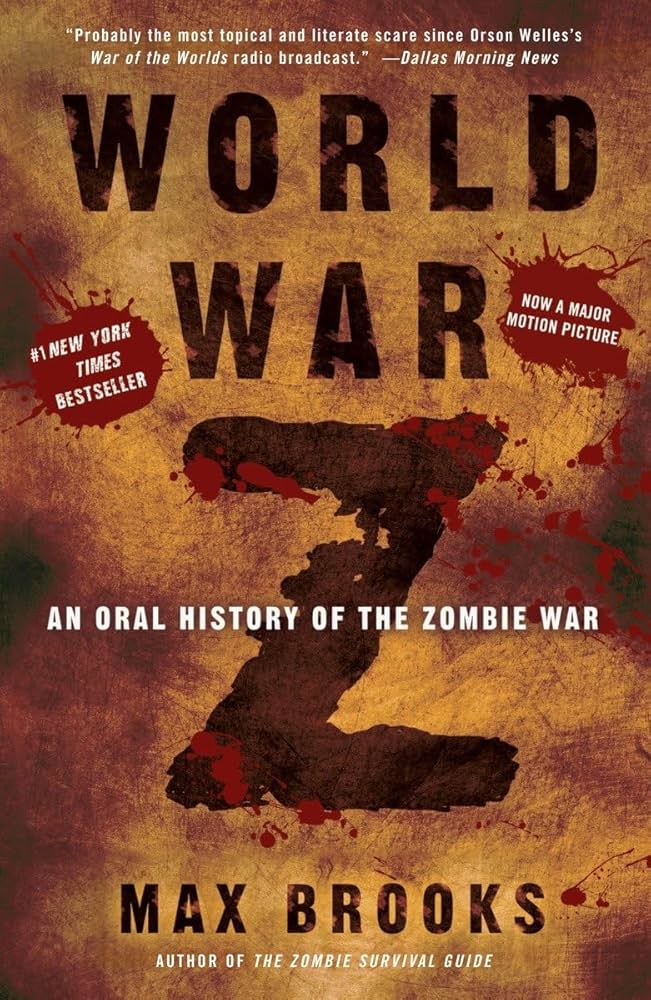
#04 — vs World War Z (2013)
World War Z
Max Brooks
"The film has almost nothing to do with the book. The book is extraordinary."
Narrator
Full Cast — Max Brooks, Mark Hamill, Martin Scorsese & more
Listener Rating
Curator score: 9.5/10
The Brad Pitt film took the title and almost nothing else. The book is a series of survivor testimonies from around the world — a mosaic of voices describing how humanity nearly lost the war against the undead. It's political, sociological, and genuinely terrifying in a way the action movie never attempted.
Why the Audiobook Wins
The unabridged audiobook features a full cast of over 40 voice actors, including Mark Hamill, Martin Scorsese, Simon Pegg, and Rob Reiner. Each character has a distinct voice, accent, and emotional register. It's less a single narrator reading a book and more a radio drama. One of the most ambitious audiobook productions ever made.
05
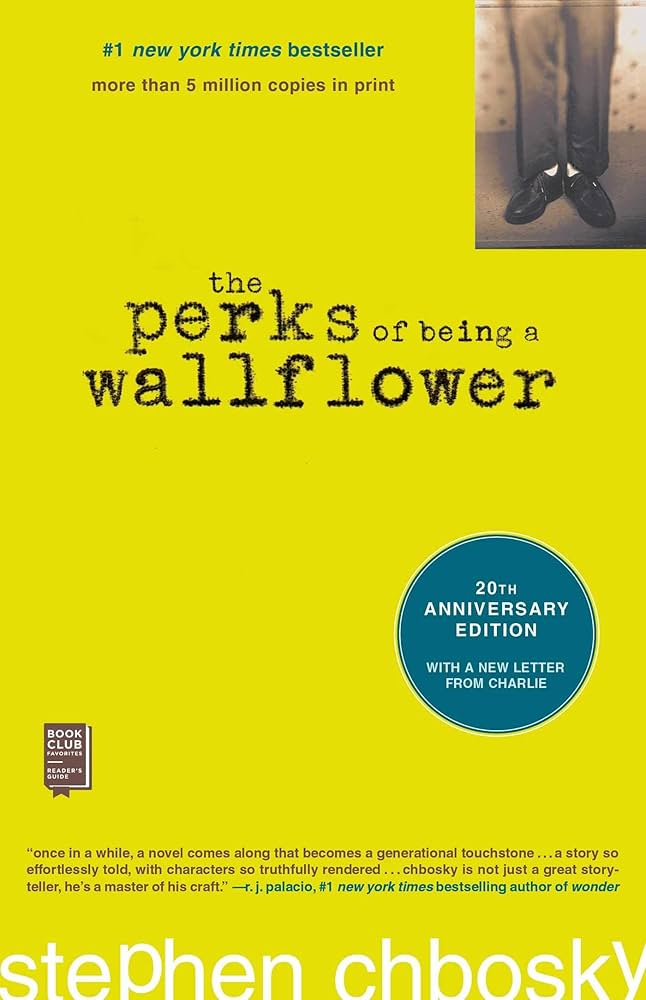
#05 — vs The Perks of Being a Wallflower (2012)
The Perks of Being a Wallflower
Stephen Chbosky
"The film is sweet. The book is devastating."
Listener Rating
Curator score: 9.1/10
The 2012 film is a genuinely good coming-of-age movie — but it softens several of the book's harder edges and compresses Charlie's inner world considerably. The novel is told entirely through Charlie's letters, and in audio form that epistolary intimacy is preserved completely. You're inside his head in a way the film can't achieve.
Why the Audiobook Wins
Noah Galvin's narration captures Charlie's voice with extraordinary sensitivity — the halting sentences, the moments of unexpected insight, the way he notices things other people miss. The audiobook version of the final revelation hits harder than the film because you've spent six hours inside Charlie's perspective with no visual distance.
06
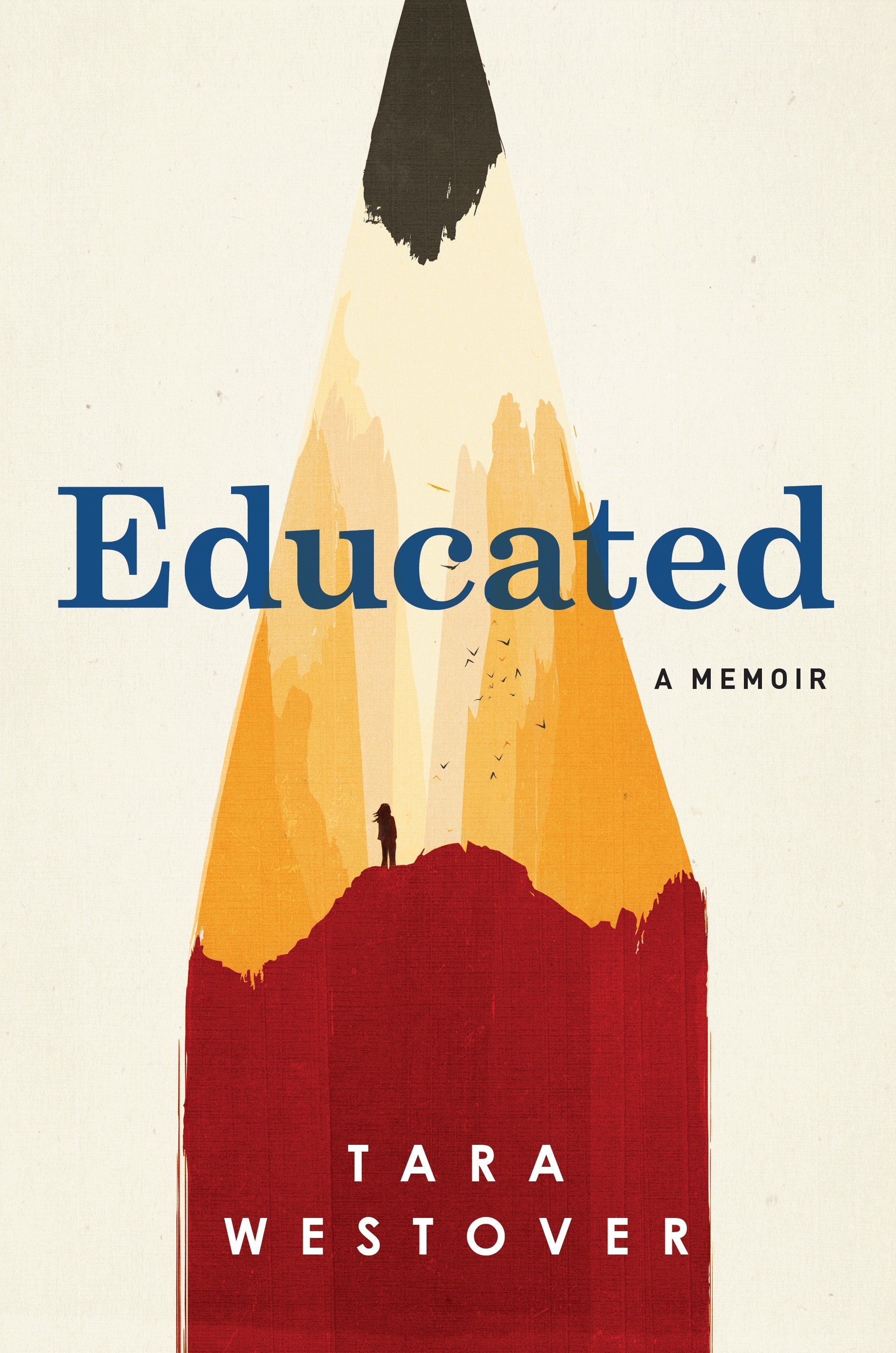
#06 — vs Educated (film adaptation in development)
Educated
Tara Westover
"Before the film arrives — hear it the way it was meant to be heard."
Listener Rating
Curator score: 9.7/10
Tara Westover's memoir about growing up in a survivalist family in rural Idaho, never attending school, and eventually earning a PhD from Cambridge is one of the most remarkable books of the past decade. A film adaptation has been in development — but the memoir's power comes from Westover's voice, her precision with memory, and her refusal to offer easy answers.
Why the Audiobook Wins
Julia Whelan's narration is a masterclass in restraint. She doesn't dramatise or sensationalise — she simply reads Westover's words with the same careful honesty Westover wrote them. The audiobook feels like being told a secret by someone who has finally decided to trust you. No film will be able to replicate that.
07
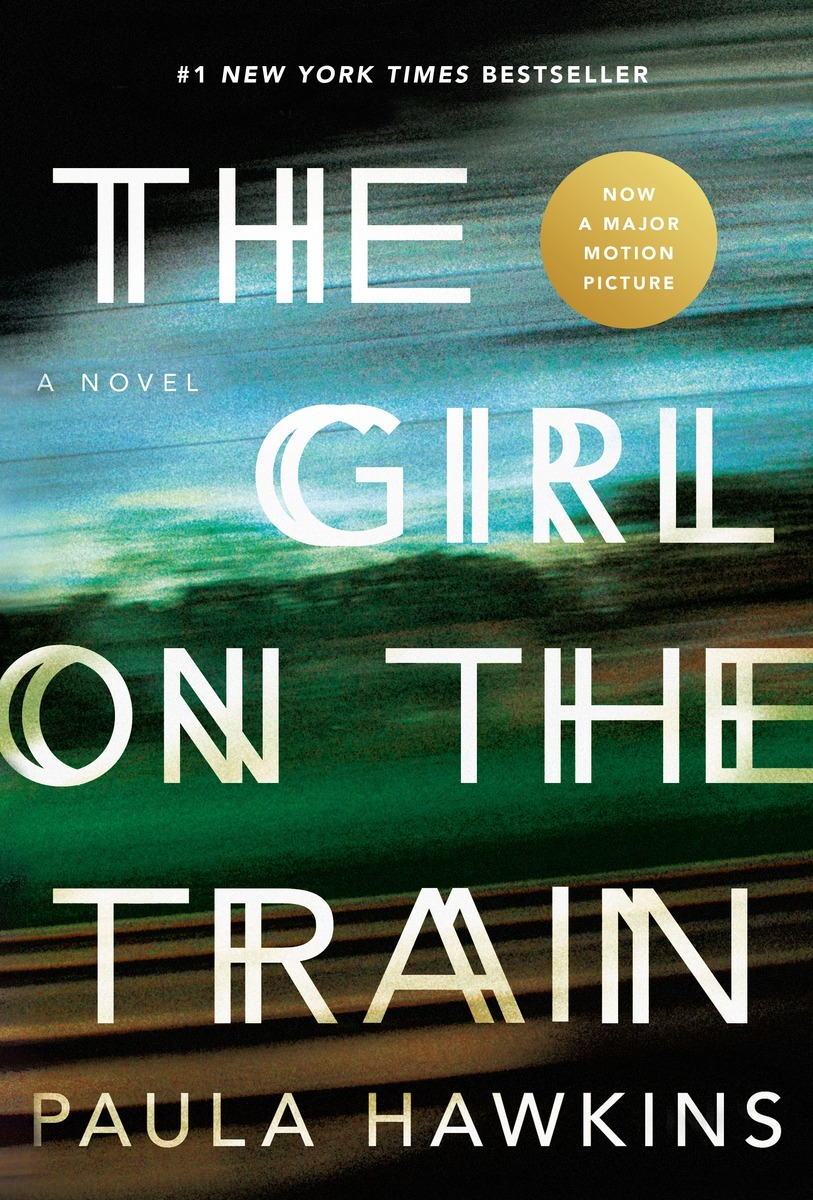
#07 — vs The Girl on the Train (2016)
The Girl on the Train
Paula Hawkins
"The film relocated to New York. The book stays on a British commuter train. The book wins."
Narrator
Clare Corbett, Louise Brealey & India Fisher
Listener Rating
Curator score: 8.9/10
The 2016 film moved the story from London to New York, cast Emily Blunt in a role written for a very specific kind of unremarkable English woman, and lost much of the novel's claustrophobic atmosphere. The book's power comes from Rachel's ordinariness — her alcoholism, her shame, her desperate need to matter. That's harder to film than it is to hear.
Why the Audiobook Wins
Three female narrators take turns as Rachel, Megan, and Anna — and the switching between perspectives creates a disorienting, paranoid atmosphere that the film tried and failed to replicate. You genuinely don't know which narrator to trust, and that uncertainty is more effective in audio than on screen.
08
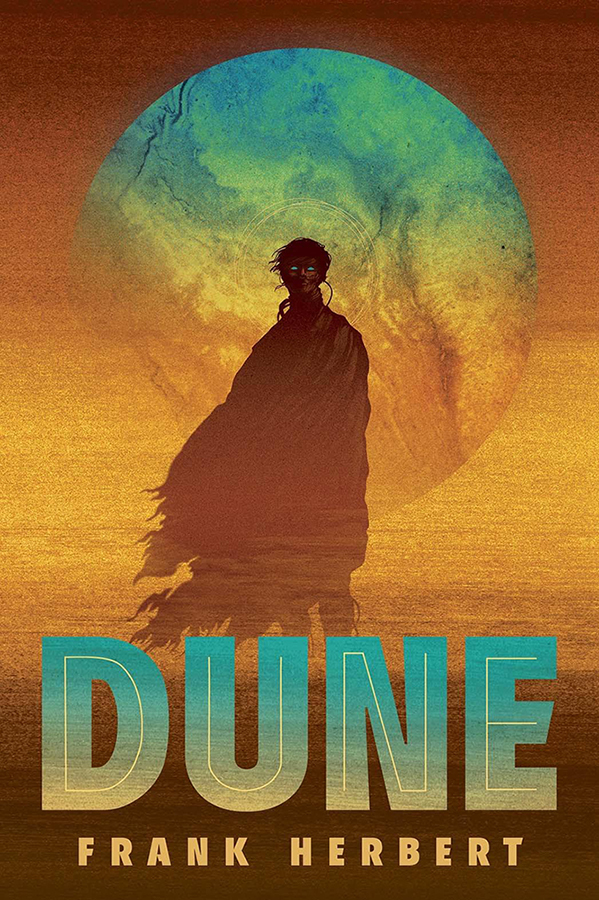
#08 — vs Dune: Part One (2021) & Dune: Part Two (2024)
Dune
Frank Herbert
"Denis Villeneuve's films are stunning. The audiobook gives you everything the films had to cut."
Narrator
Simon Vance, Scott Brick, Orlagh Cassidy & full cast
Listener Rating
Curator score: 9.8/10
The Villeneuve films are visually extraordinary — but Dune is a novel of ideas, politics, ecology, and religion, and film can only gesture at the depth of Herbert's world-building. The audiobook restores the internal monologues, the Bene Gesserit philosophy, the political intrigue, and the full texture of a novel that took Herbert six years to write.
Why the Audiobook Wins
The full-cast production features multiple narrators for different characters and perspectives, giving the audiobook the scope the novel deserves. Paul's internal voice — his prescient visions, his fear of his own destiny — is far more present in audio than on screen. If you loved the films, the audiobook will make you love the story even more.
09
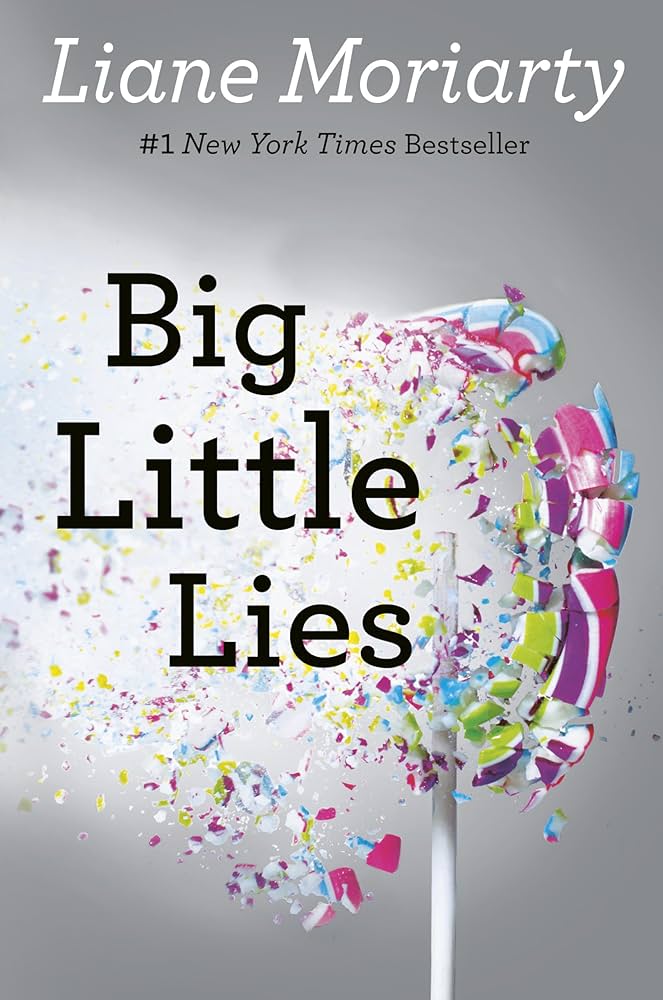
#09 — vs Big Little Lies — HBO Series (2017)
Big Little Lies
Liane Moriarty
"The HBO series is brilliant. The audiobook is funnier and darker."
Listener Rating
Curator score: 9.2/10
The HBO adaptation starring Reese Witherspoon and Nicole Kidman is one of the best TV dramas of the past decade. But Liane Moriarty's novel is funnier — genuinely, wickedly funny — in a way the series toned down in favour of prestige drama atmosphere. The book also gives you far more access to the inner lives of the secondary characters.
Why the Audiobook Wins
Caroline Lee's narration captures Moriarty's Australian wit perfectly. The book is set in Sydney, not Monterey, and the Australian social satire gives it a sharper edge. Lee's ability to differentiate between a large cast of characters — each with distinct voices and social anxieties — is remarkable. The audiobook is the definitive version of this story.
10
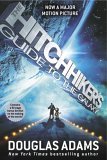
#10 — vs The Hitchhiker's Guide to the Galaxy (2005)
The Hitchhiker's Guide to the Galaxy
Douglas Adams
"The 2005 film was fine. Stephen Fry reading Douglas Adams is transcendent."
Listener Rating
Curator score: 9.9/10
The 2005 film is a perfectly decent adaptation that captures the broad strokes of Adams' absurdist comedy. But Douglas Adams' prose is the point — the footnotes, the digressions, the perfectly constructed sentences that arrive at their punchlines with mathematical precision. None of that survives the transition to screen.
Why the Audiobook Wins
Stephen Fry was a close friend of Douglas Adams, and his narration sounds like a man who genuinely loved the material. He doesn't just read the jokes — he savours them. The audiobook is the closest thing to hearing Adams himself tell the story. If you've only seen the film, you have not yet experienced The Hitchhiker's Guide to the Galaxy.
The Common Thread
What all ten of these audiobooks share is a narrator whose performance adds something the film couldn't. Stephen Fry's warmth with Adams. Julia Whelan's chill with Flynn. R.C. Bray's wit with Weir. The best audiobook narrators don't just read — they interpret. They make choices about tone, pace, and emphasis that shape how you experience the story.
Film is a director's medium. Audiobooks are a narrator's medium. And sometimes — not always, but sometimes — the narrator's vision is the definitive one.
All ten are available on Audible. Your current Audible offer includes one credit — use it on any of the books above and keep it forever, even if you cancel.