


All Genres
5 Reasons Audiobooks Are Better Than Traditional Books
Read review →
Audible offer
Check the current Audible offer for your country and account. Where an offer includes a complimentary audiobook, review the terms before signing up.
Check Today's Offer →You want to read more. You know the books are there. But every time you sit down and open one, your mind is somewhere else within three pages. The words blur. You re-read the same paragraph four times. You put the book down and pick up your phone instead.
This is not a character flaw. It is an increasingly common experience — and for millions of people, audiobooks have been the answer.
Here is why audiobooks work when reading doesn't, how to get the most out of them if your attention tends to drift, and six books that are specifically well-suited to people who struggle to focus.
Attention spans haven't simply collapsed — but the competition for them has intensified dramatically. Social media, notifications, and short-form video have trained the brain to expect constant novelty and instant reward. Sitting with a book for 30 uninterrupted minutes now requires genuine effort that it didn't a decade ago.
For people with ADHD, anxiety, or chronic stress, the problem is compounded. The visual processing required for reading — tracking lines, holding your place, decoding text — demands cognitive resources that are already stretched thin. When the brain is overwhelmed, reading is often the first thing to go.
Screen fatigue is another factor. After hours of staring at a computer or phone, the idea of staring at more text — even on paper — is genuinely unappealing. The eyes are tired. The brain is tired. But the desire to consume a good story or learn something new hasn't gone anywhere.
Listening uses different cognitive pathways
Auditory processing is more passive than visual reading. The brain doesn't need to decode text — it simply receives language. For people whose visual attention is depleted, this makes a significant difference.
You can move while you listen
Walking, cooking, commuting, exercising — audiobooks work during activities that make sitting still with a book impossible. Movement actually improves focus for many people, particularly those with ADHD.
A good narrator holds your attention
Professional audiobook narrators are skilled performers. Their pacing, tone, and emphasis guide your attention in a way that text on a page cannot. A great narrator makes zoning out harder, not easier.
You can rewind without shame
Missed something? A 15-second rewind and you're back. There's no visual marker of how many times you've re-read a paragraph — no evidence of distraction. This removes a significant source of reading anxiety.
A study published in the journal Neuroscience found that listening to spoken language and reading text activate largely overlapping regions of the brain — meaning comprehension and retention are comparable between the two formats for most people. You are not getting a lesser version of the book by listening to it.
Research on ADHD specifically has found that audiobooks can significantly improve reading comprehension and engagement for people who struggle with sustained visual attention. The Understood Foundation and the International Dyslexia Association both recommend audiobooks as a legitimate and effective reading format — not a workaround, but an equal alternative.
The bottom line: if you finish an audiobook, you have read that book. The knowledge, the story, the experience — it's all there.
Try it risk-free
Get an audiobook benefit where included in the current offer — even if you cancel. No commitment, no risk. If audiobooks aren't for you, you've lost nothing. If they are, you've found a new way to read.
Start Free Trial — a complimentary audiobook where included in the offerEven with audiobooks, focus doesn't always come automatically. These strategies make a real difference:
Listen while doing something with your hands
Washing dishes, folding laundry, going for a walk, cooking dinner. Light physical activity occupies the part of your brain that would otherwise wander. Many people with ADHD find they absorb audiobooks far better while moving than while sitting still.
Start with shorter books
Don't begin with a 30-hour epic. Start with something under 6 hours — a memoir, a short novel, a non-fiction book with punchy chapters. Build the habit with achievable listens before tackling longer works.
Increase playback speed gradually
Listening at 1.25x or 1.5x speed keeps the narration moving fast enough to hold attention without losing comprehension. Most people find that slightly faster playback actually helps them stay focused rather than drifting.
Use the 15-second rewind button freely
The moment you realise your mind has wandered, rewind. Don't try to piece together what you missed — just go back. Knowing you can always rewind removes the anxiety of missing something, which paradoxically makes it easier to stay present.
Choose a narrator you enjoy
Not all narrators are equal. A flat, monotone performance will lose you. A skilled narrator with good pacing and character differentiation will hold you. If you're not enjoying the narrator in the first chapter, it's fine to try a different book.
Set a small daily goal
Twenty minutes a day is enough to finish most audiobooks within two weeks. Commute time, lunch break, evening walk — the habit builds quickly once you attach listening to an existing routine.
These books share qualities that make them ideal for people who struggle to focus: compelling narrators, short chapters or punchy pacing, stories that pull you forward, and lengths that feel achievable.
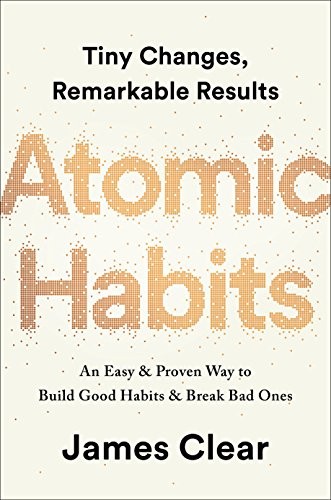
James Clear · Narrated by James Clear
⏱ 5 hrs 35 minsShort chapters, immediately actionable, and narrated by the author himself. Each chapter feels like a standalone lesson — perfect if your attention drifts, because you can pick up anywhere without losing the thread.
🎧 Listen on Audible — Free with Trial
Douglas Adams · Narrated by Stephen Fry
⏱ 5 hrs 51 minsStephen Fry's warm, witty narration makes this effortless to follow. The humour keeps you engaged even when your mind tries to wander. At under 6 hours, it's one of the most accessible audiobooks ever made.
🎧 Listen on Audible — Free with Trial
Tara Westover · Narrated by Julia Whelan
⏱ 12 hrs 10 minsThe story is so gripping that focus becomes involuntary. Julia Whelan's narration is measured and deeply human. People who say they can't concentrate on books consistently report finishing Educated in days.
🎧 Listen on Audible — Free with Trial
Andy Weir · Narrated by R.C. Bray
⏱ 10 hrs 53 minsR.C. Bray's portrayal of Mark Watney is so funny and energetic that staying focused is the easy part. The problem-solving format — each chapter a new challenge — keeps the brain engaged without demanding sustained concentration.
🎧 Listen on Audible — Free with Trial
Tina Fey · Narrated by Tina Fey
⏱ 5 hrs 28 minsTina Fey narrates her own memoir with the timing of a stand-up comedian. It's funny, fast-paced, and structured as a series of short stories — ideal if you struggle with long sustained narratives. You'll be laughing too much to zone out.
🎧 Listen on Audible — Free with Trial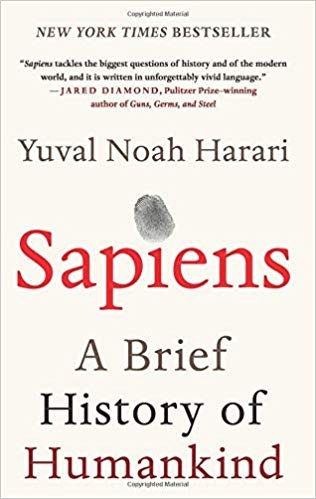
Yuval Noah Harari · Narrated by Derek Perkins
⏱ 15 hrs 17 minsHarari writes in short, punchy chapters that constantly reframe what you thought you knew. Derek Perkins delivers it with clarity and pace. The ideas are so surprising that your brain stays alert — this is the rare non-fiction book that feels like a thriller.
🎧 Listen on Audible — Free with TrialFor people with ADHD, audiobooks are not just a convenience — they can be genuinely transformative. The combination of auditory input, freedom of movement, and the ability to rewind without judgment addresses several of the core challenges that make traditional reading difficult.
Many people with ADHD report that they consume far more books via audio than they ever did in print — not because audiobooks are easier, but because they work with the brain's natural tendencies rather than against them. The freedom to listen while walking, the engagement of a skilled narrator, and the absence of visual tracking demands all reduce the cognitive load that makes sustained reading so difficult.
If you've spent years feeling like "someone who doesn't read," audiobooks may simply be the format that works for the way your brain is wired. That's not a compromise. That's just finding the right tool.
Ready to try?
Start a current Audible offer and get an audiobook benefit where included in the current offer. If it's not for you, cancel before day 30 and pay nothing. Your book is yours regardless.
🎧 Start My Current Audible Trial OfferFree trial · a complimentary audiobook where included in the offer · Cancel anytime · No charge if cancelled before day 30
Affiliate Disclosure
This article contains affiliate links. If you sign up for an Audible trial through our links, we may earn a small commission at no extra cost to you. This helps keep The Audio Book Entrée running. We only recommend products we genuinely believe in.

