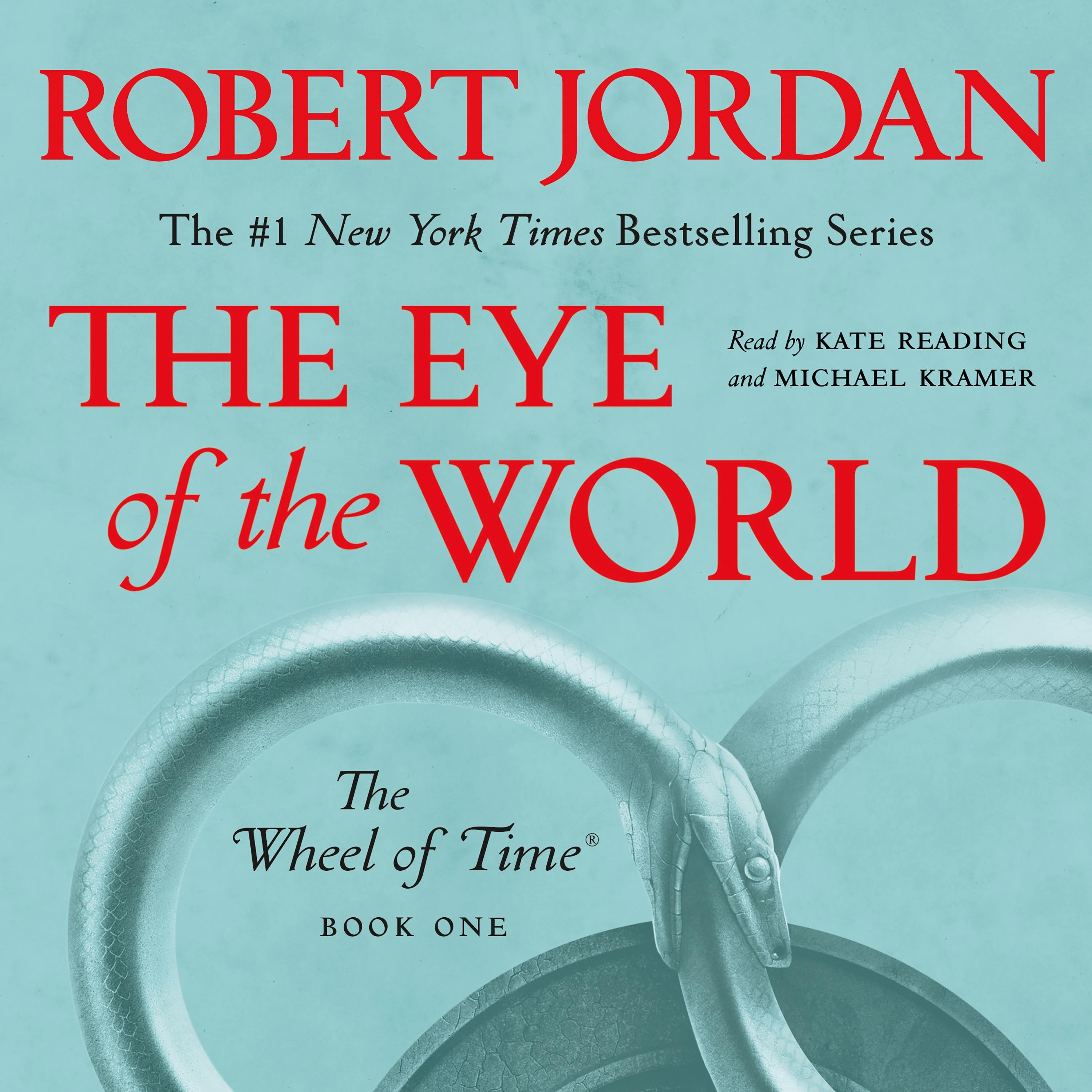
The first decision is not whether The Wheel of Time is worth hearing. It is which voice you want to carry you through the opening book. The established recording uses Michael Kramer and Kate Reading, while Rosamund Pike offers a newer single-narrator interpretation of the early books. They are not interchangeable experiences, even though they tell the same story.
Next Listen: Start with the complete Wheel of Time listening order if you need the series sequence first.
The short verdict
Choose Rosamund Pike if you want a fresh, intimate, single-narrator performance and are testing the opening book. Choose Kramer and Reading if you want the established sound of the saga and the clearest route into a long, consistent series listen.
At a glance
| Question | Rosamund Pike | Kramer & Reading |
|---|---|---|
| Narrator setup | One narrator | Two established narrators |
| Overall feel | Intimate and contemporary | Expansive and familiar |
| Best entry point | A fresh trial of Book 1 | A long-form series commitment |
| Continuity | Check which Pike editions are available | The established route through the main saga |
| Best for | Voice-led immersion | Consistency across a major fantasy project |
Why choose Rosamund Pike?
Pike’s version is the more obvious choice for listeners who want one central performance shaping the whole opening book. There is an immediacy to a single narrator: the world, characters, and emotional temperature arrive through one consistent interpretive lens. It is also the newer option, which may appeal if a fresh recording matters more than matching the version long-time fans know.
This is a particularly sensible route if you are not yet sure whether a 30-plus-hour epic is for you. The performance can be treated as a substantial first-book experiment rather than an automatic commitment to the entire catalogue.
Why choose Michael Kramer and Kate Reading?
Kramer and Reading are the safer recommendation for listeners who already know they want the full journey. Two voices create a useful distinction between viewpoints, and their recording is the established identity many listeners associate with the series. If consistency across the main saga is your priority, this is the practical choice.
The trade-off is that the recording belongs to a very large project. The early chapters take their time, and the performance asks you to settle into the series rather than expecting a quick, polished standalone experience.
Does the narrator stay consistent?
The established Kramer and Reading route is the safer continuity choice for listeners planning the main saga. Pike’s recording is a newer interpretation of the early books, so availability and series coverage should be checked in the listener’s local Audible storefront before committing. The practical rule is simple: do not begin with Pike expecting to switch editions casually halfway through the series.
Is one version objectively better?
No. The meaningful difference is not a simple quality score; it is the relationship between your listening preferences and the scale of the series. Pike is the more natural recommendation for a listener who values a newer, intimate performance. Kramer and Reading are the better fit for a listener who wants continuity, dual narration, and the established long-haul route.
Worth the credit?
Yes — but choose the edition before you press play. Both versions represent a serious time investment, so the best use of a free credit is the recording you are most likely to continue. For a first-time listener planning to explore the complete saga, the curator’s practical recommendation is Kramer and Reading. For someone curious about the opening book and drawn to a fresh single-narrator performance, Pike is a compelling alternative.
Next step: compare the edition details, then check Audible’s current offer and local edition availability before spending a credit.
Next Listen: Return to the Wheel of Time listening order, or explore the 10 best audiobook narrators.